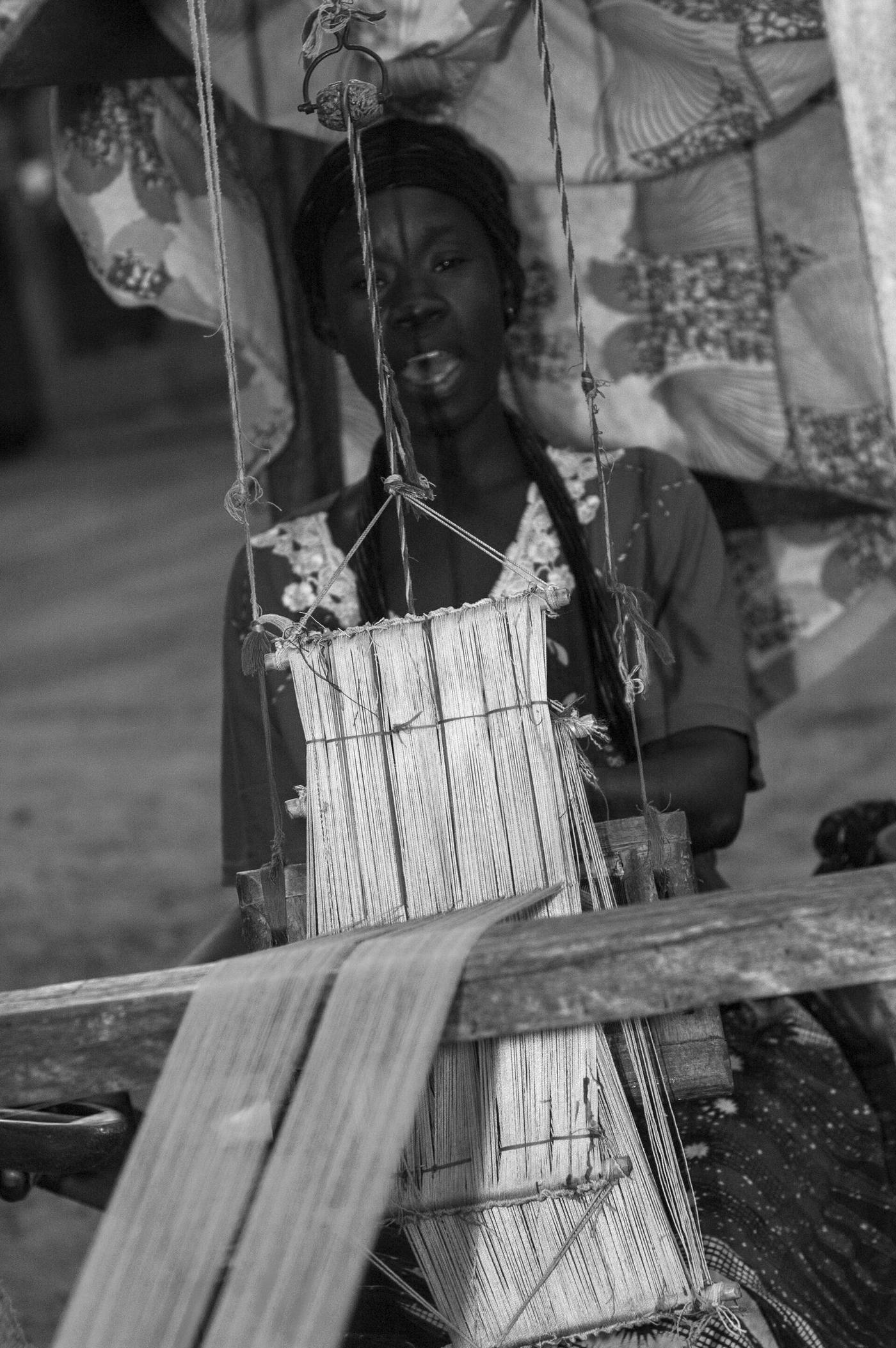
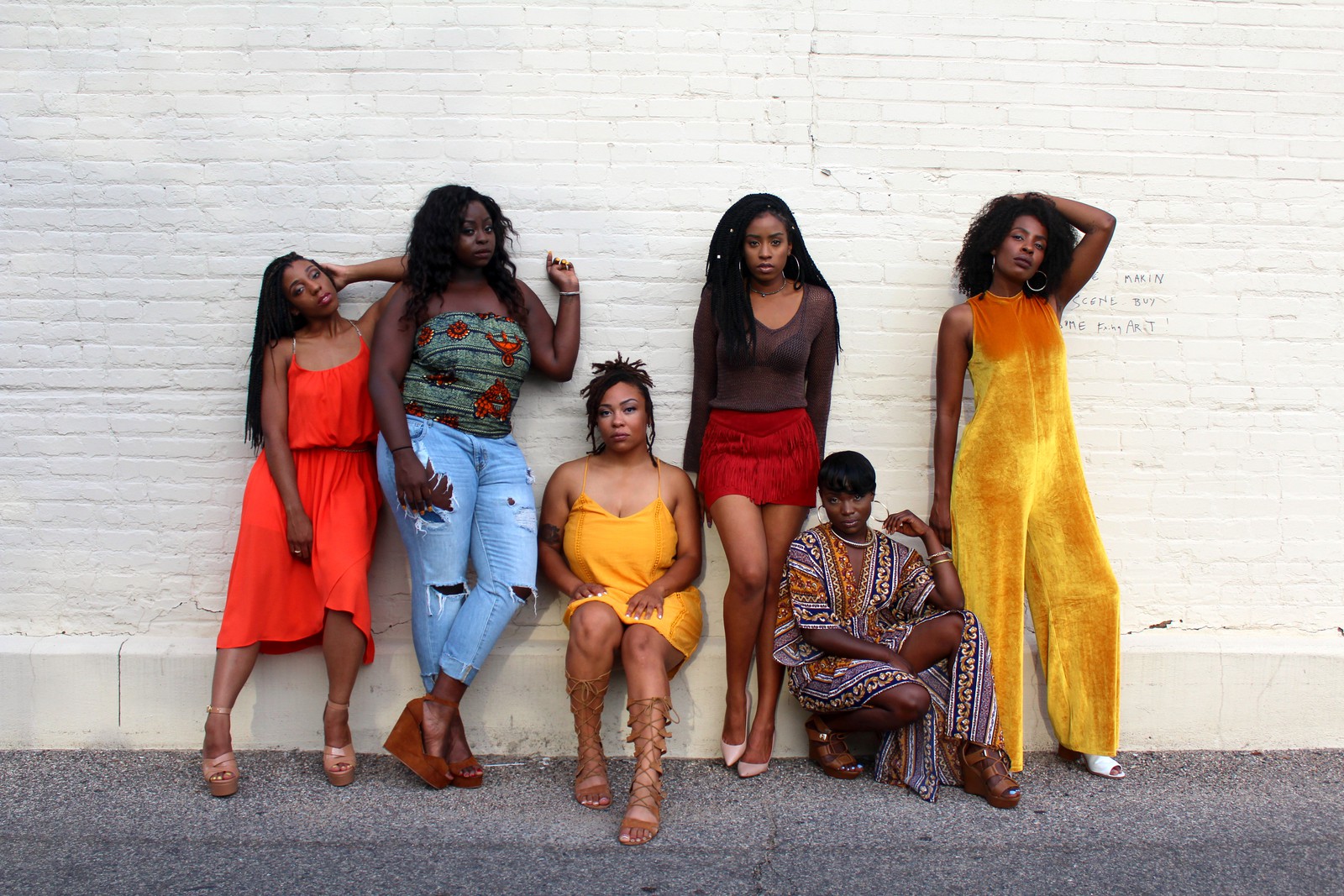
 ARC 001 / PHO / 1968 / Photo: Fowosire jnr
Photography
From Lagos studio backdrops to J.D. Okhai Ojeikere hairstyle studies, how Nigeria learned to pose itself.
ARC 1960 to 2025A digital museumFile open
A living file of Nigerian photography, music, fashion and design. Scrub 65 years like vinyl and hear how the past keeps sampling into now.
We keep what parties tried to forget.
A pose, a horn line, a gele fold, a poster. Small decisions that taught a country how to look and sound like itself. ARCHIVE files them by year and gesture so a 19 year old in Ikeja or Peckham can find her grandmother posture and sample it with credit.
No glass cases.
No quiet voices.
The past stays loud here.
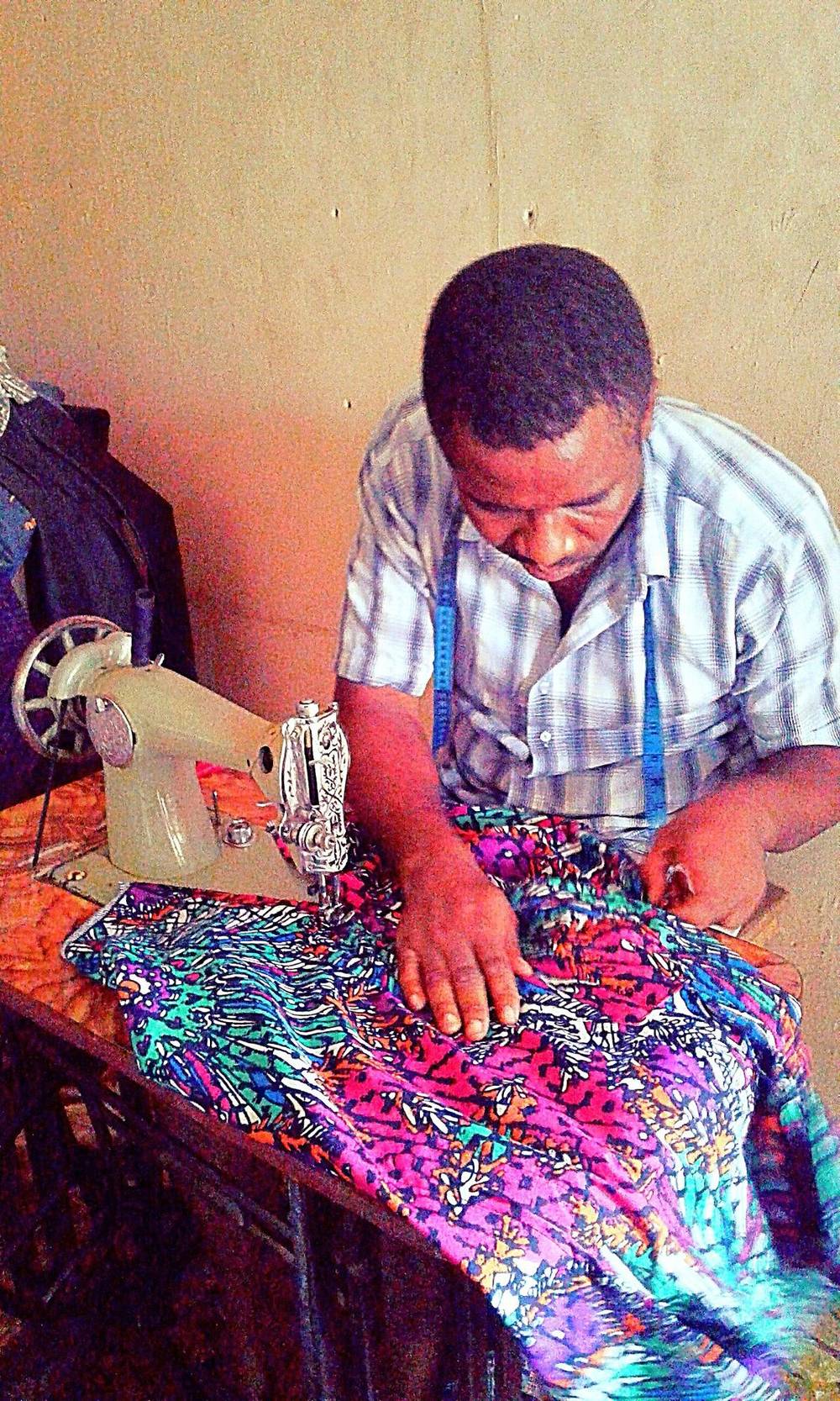

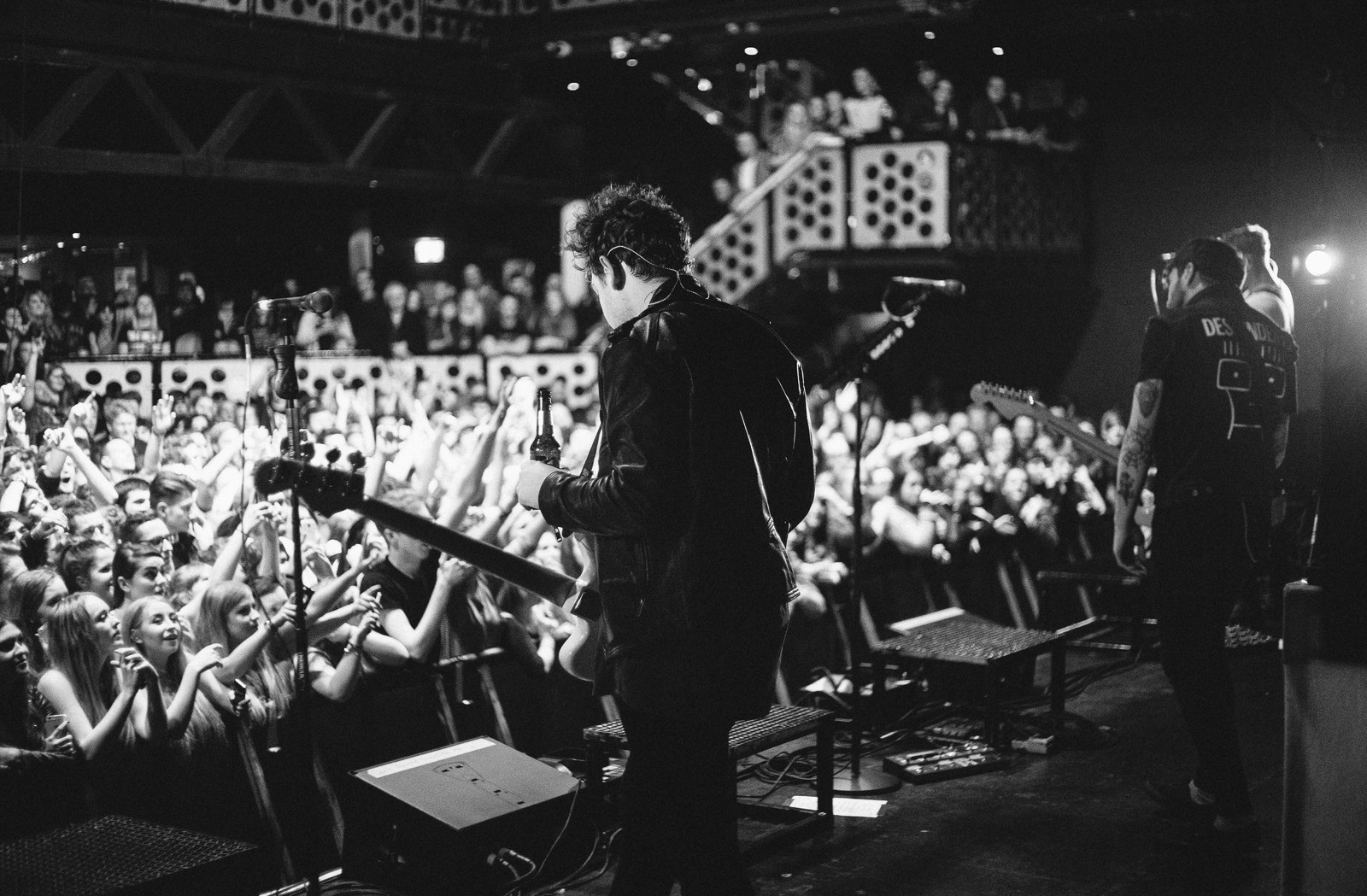
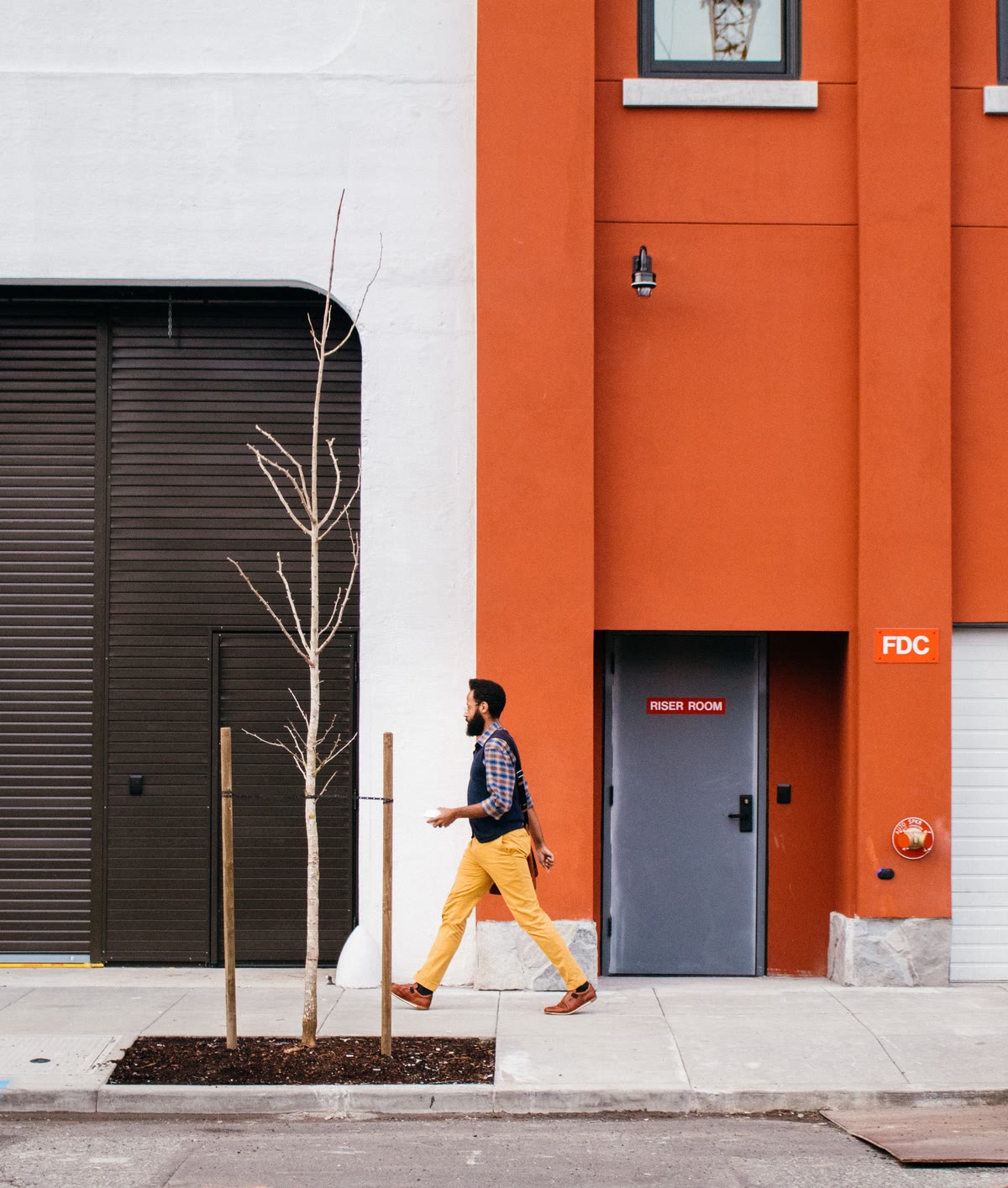
 ARC 001 / PHO / 1968 / Photo: Fowosire jnr
From Lagos studio backdrops to J.D. Okhai Ojeikere hairstyle studies, how Nigeria learned to pose itself.
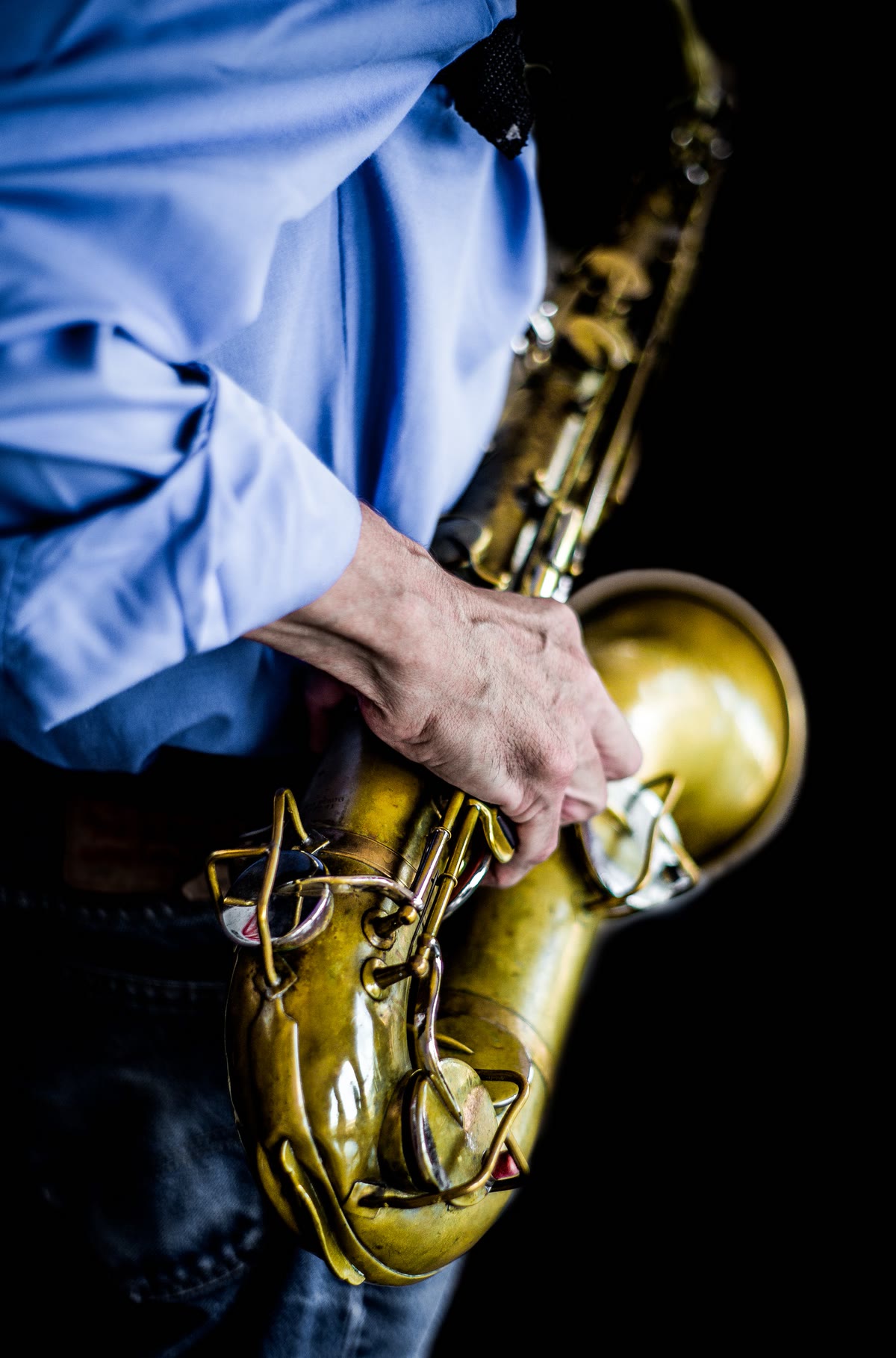
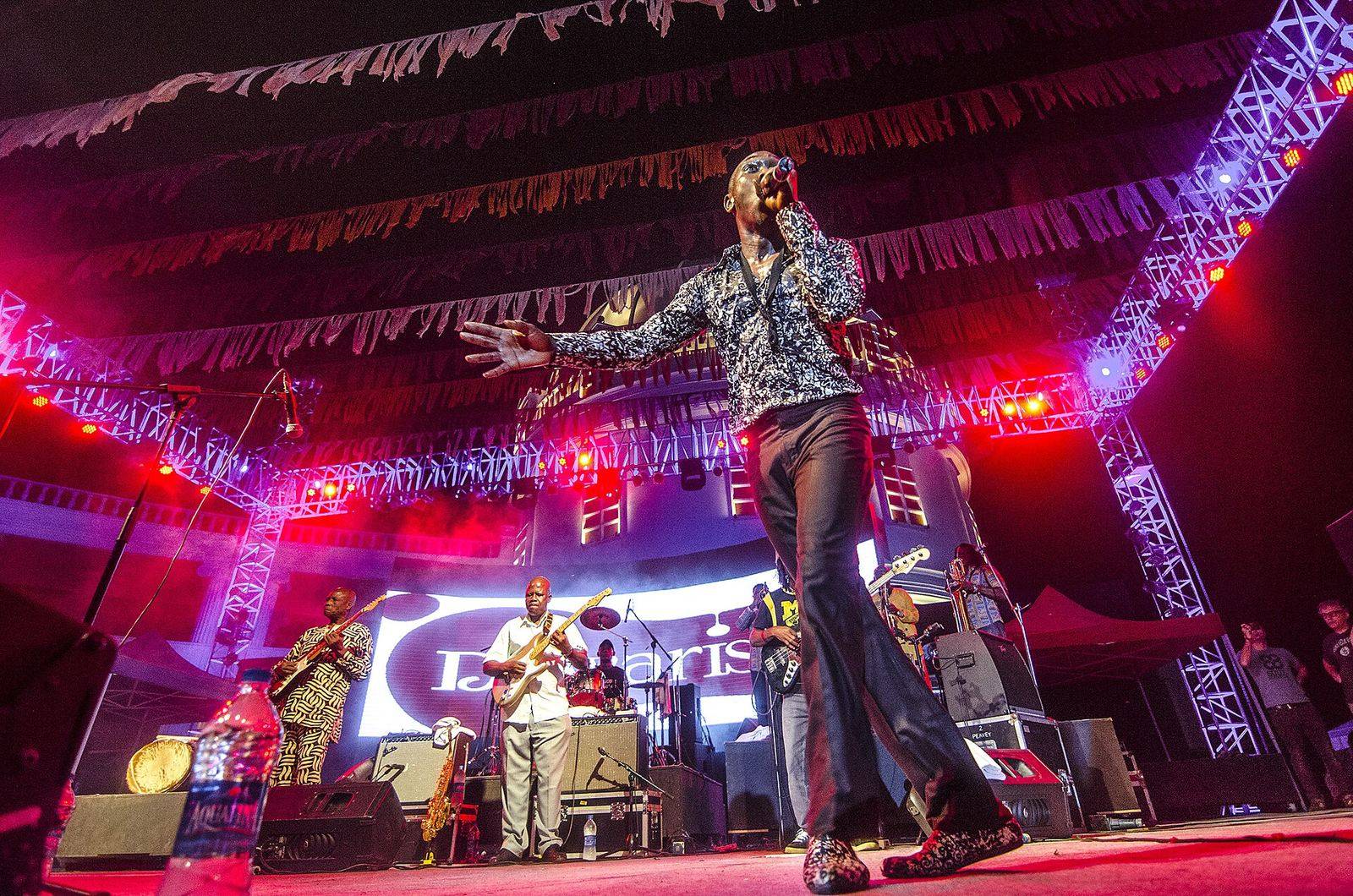
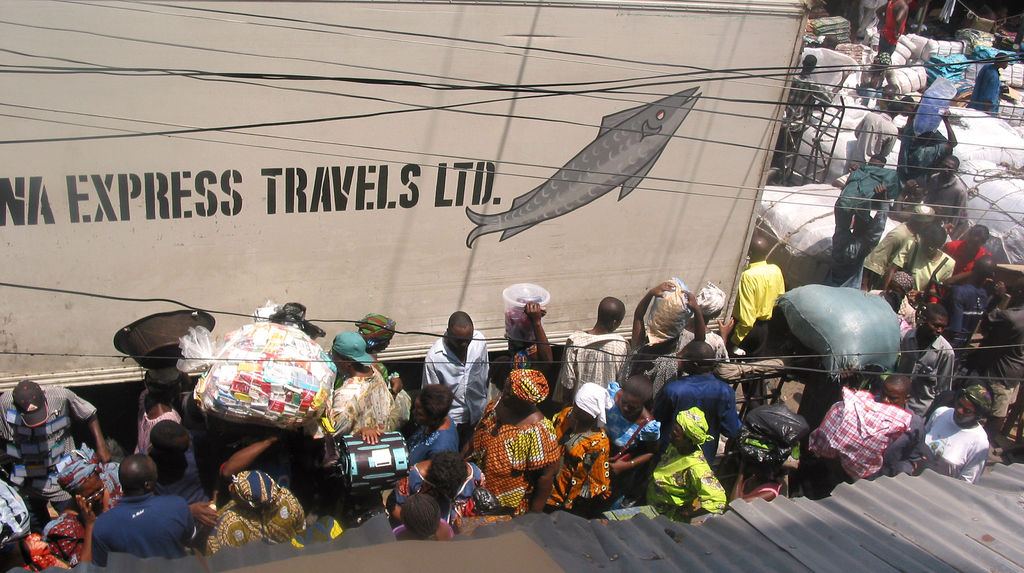
ARC 002 / MUS / 1977 / Photo: OML Entertainment Pvt. Ltd.Highlife horns, Fela shrine nights, Lijadu harmonies, and the long sample line to Asake and Ayra Starr.
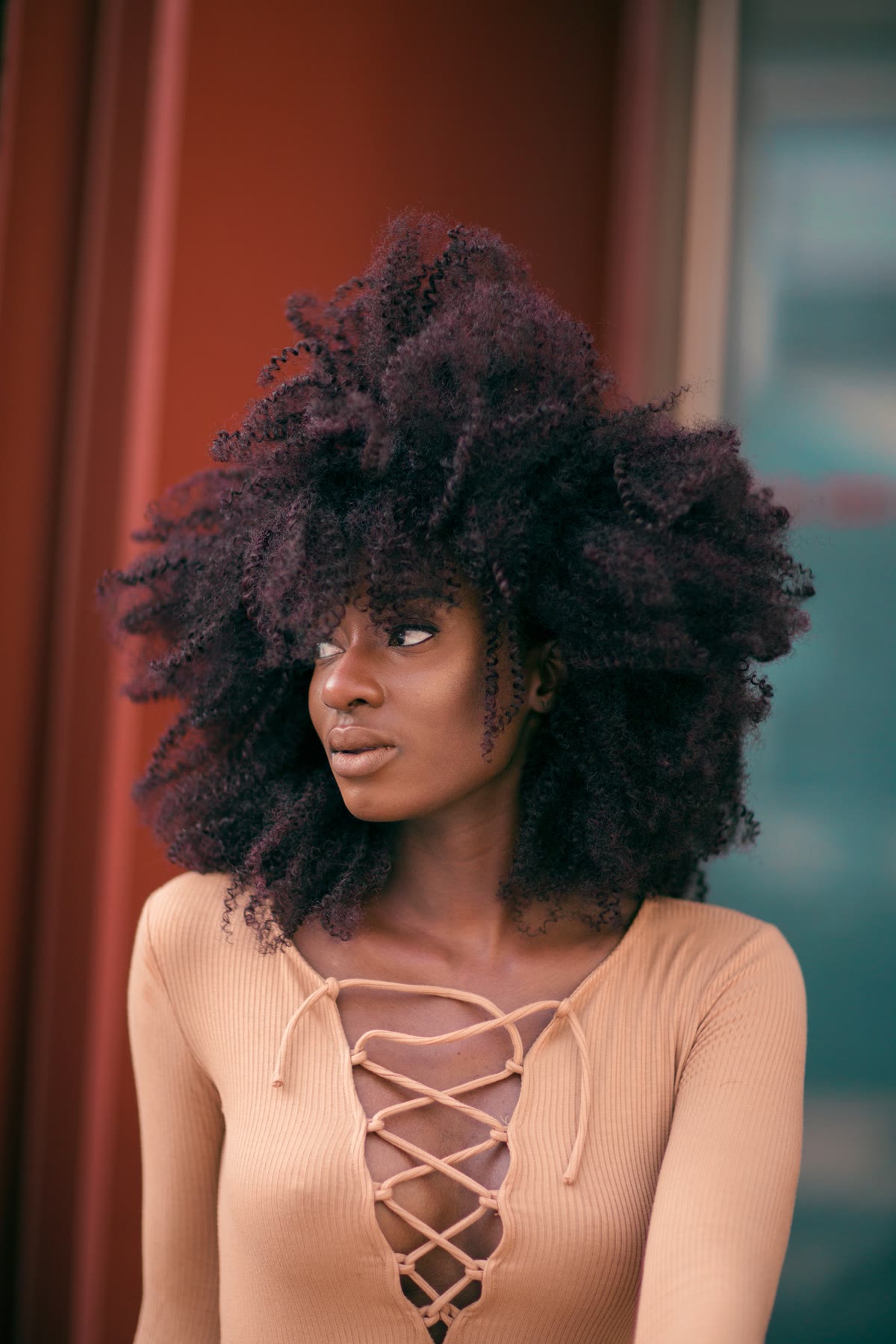
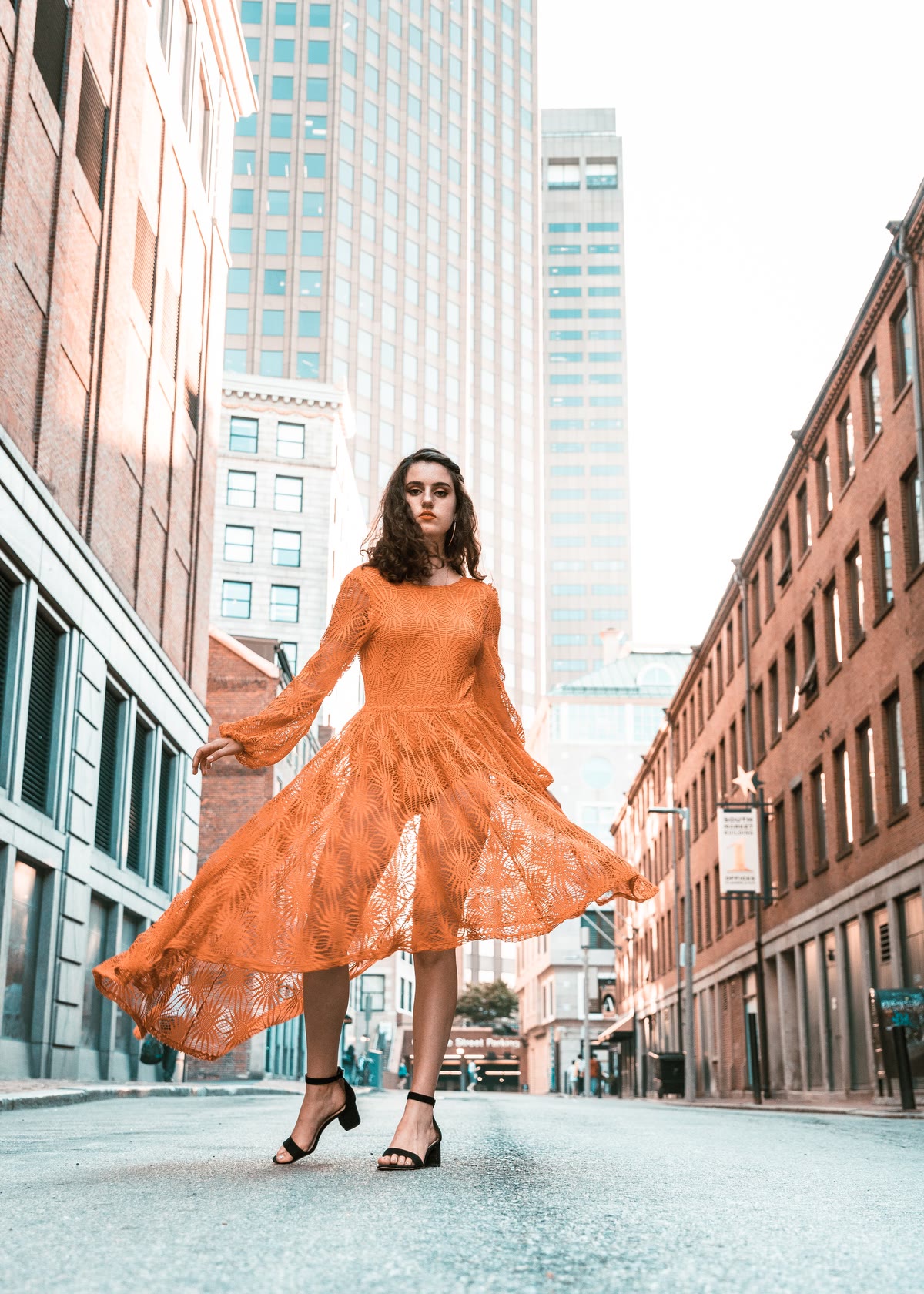
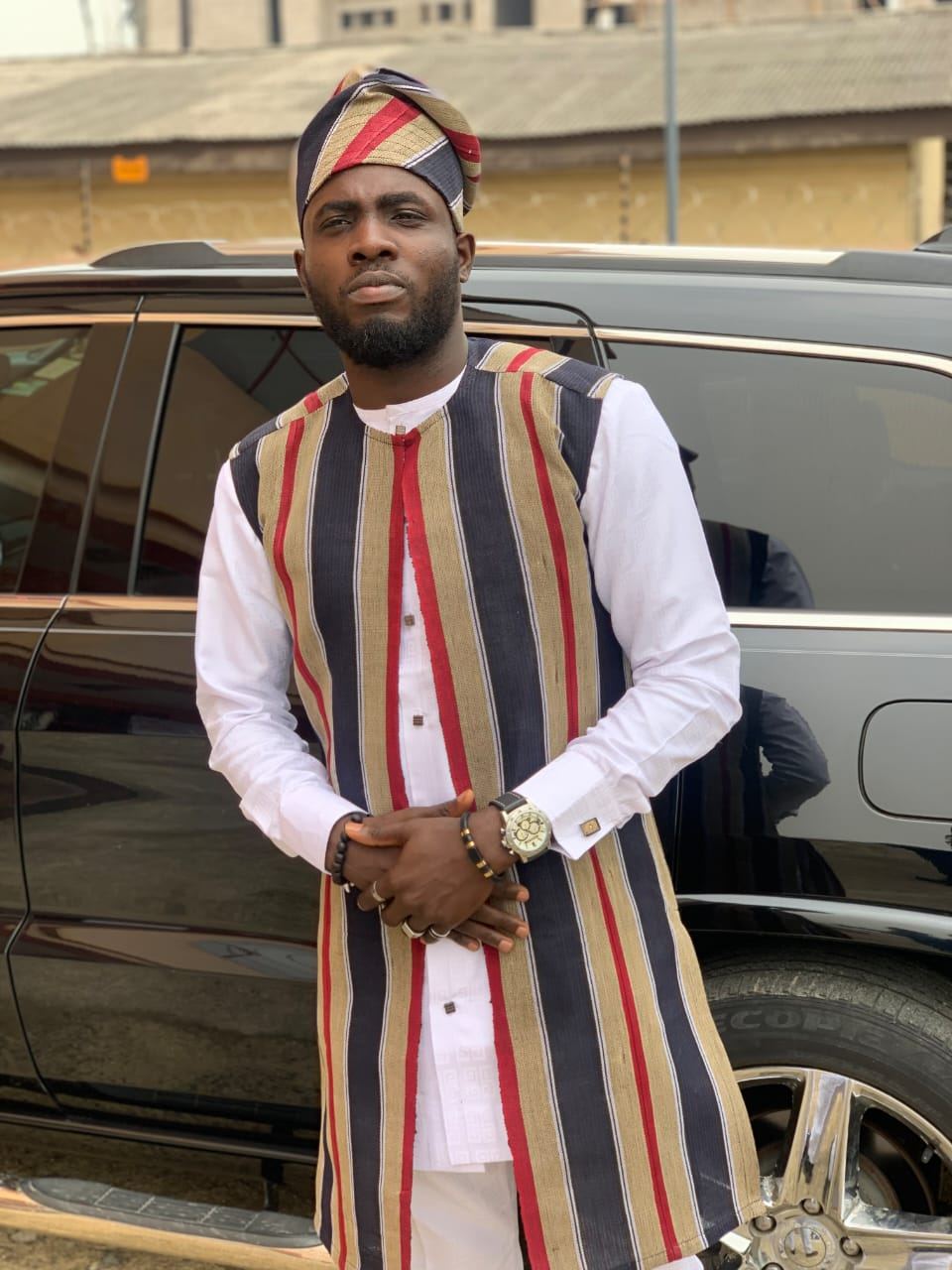 ARC 003 / FAS / 1993 / Photo: Jeremyida002
Aso Oke looms, Owambe Aso Ebi codes, and Lagos tailors who turn Ankara and agbada into daily statements.
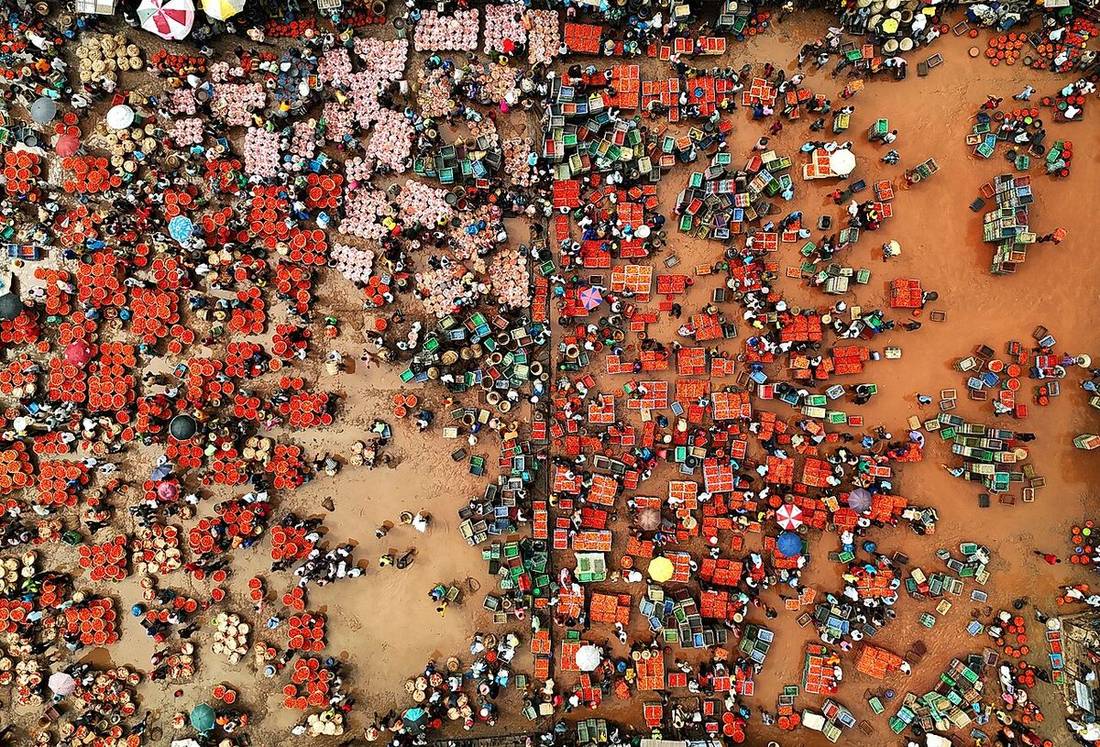
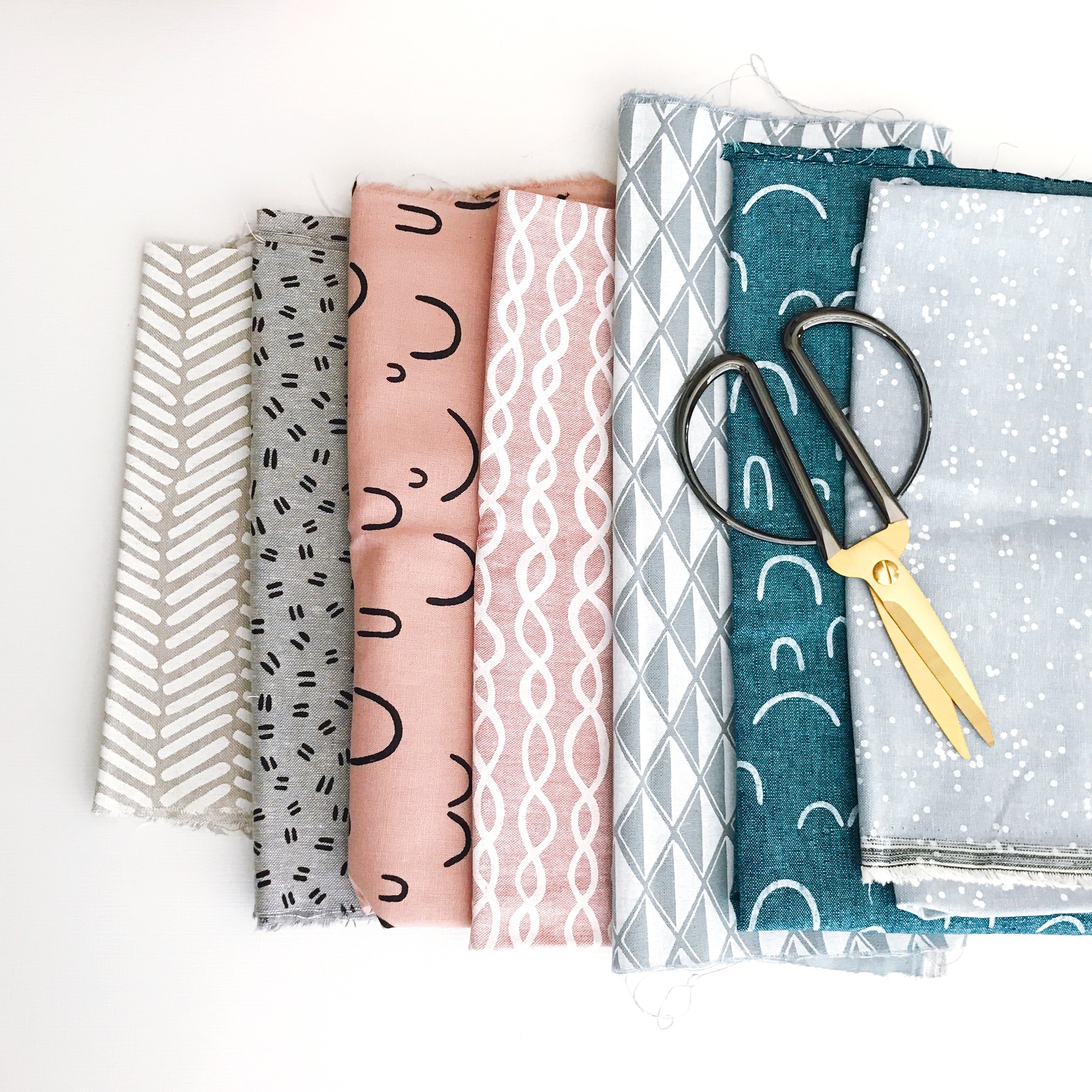
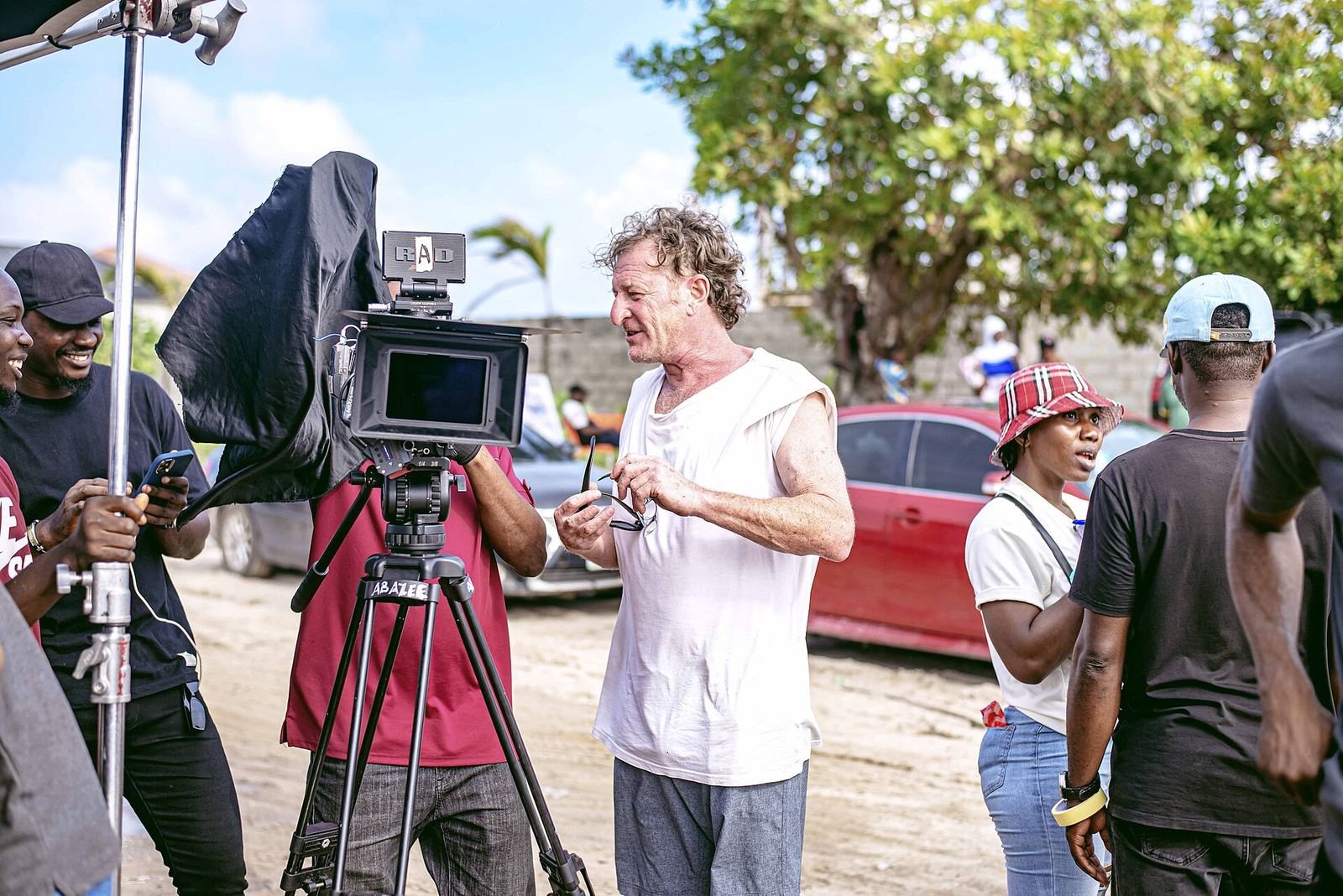 ARC 004 / DES / 2005 / Photo: MediaMOF
Hand painted Nollywood boards, church posters, Afrobeats covers, and the UI generation remixing it all.
After independence, studio portraits in Lagos, Ibadan and Onitsha gave families control over how they were seen. Painted backdrops, props and Sunday best carried meaning long before feeds existed.
The pose is the archive. A tilt of the head or hand on the shoulder holds more history than a caption, so we file portraits by gesture first and date second.
Open Photography fileHighlife dance bands gave way to Afrobeat repetition and call and response at the Shrine. Cassettes, Alaba mixes and radio carried it further than any label plan.
Every hit samples an elder. We link each track to what it borrowed, drums first, so young producers can hear the thread and credit it.
Open Music fileYoruba strip weave, Igbo George wrappers and Hausa embroidery set the grammar. Owambe parties turned family uniform into public design review every Saturday.
Cloth is language. Pattern, weight and drape say where you stand, so we file garments with occasion and tailor notes, not just designer names.
Open Fashion fileVideo marketers needed a poster by Friday, so painters worked big, bright and fast. That urgency trained a generation of graphic eyes now working on phones.
Speed is a style. We keep the brush texture and condensed lettering intact instead of cleaning them into vectors.
Open Design fileKristof Zerbe / CC BY-SA 4.0 / Wikimedia CommonsIndependence. Studio lights stay on late.
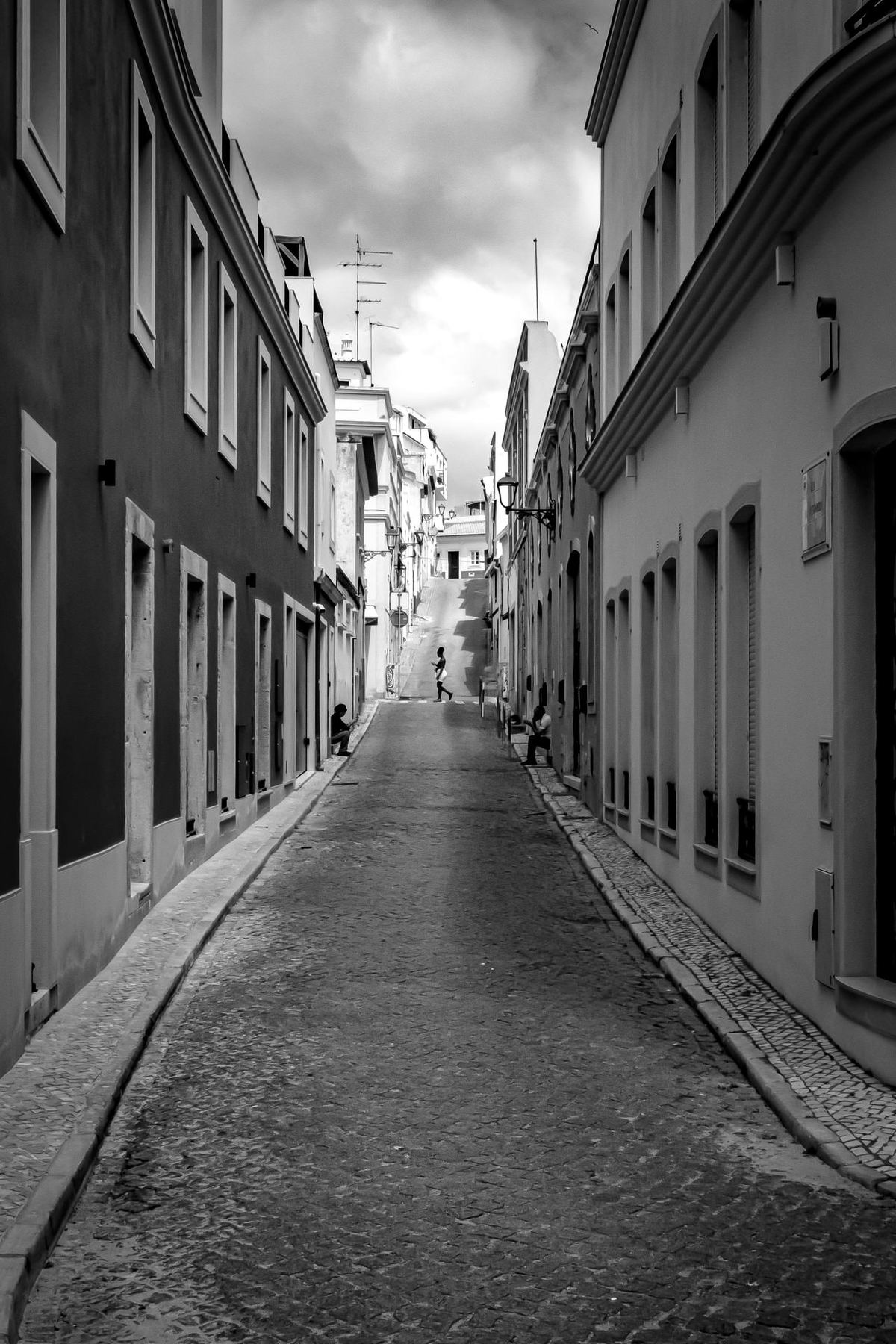
ARC 1960 / Open file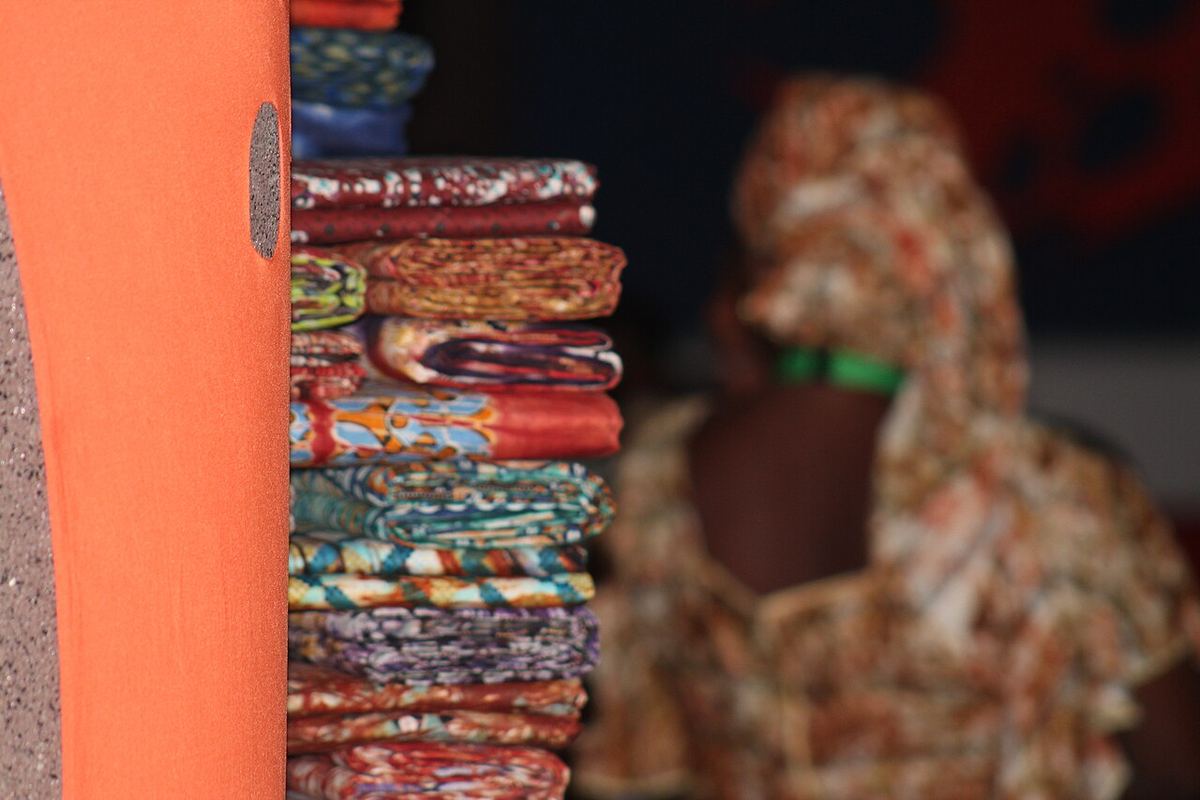 Adeosun M. W. / CC BY-SA 4.0 / Wikimedia Commons
Portrait studios define self image.
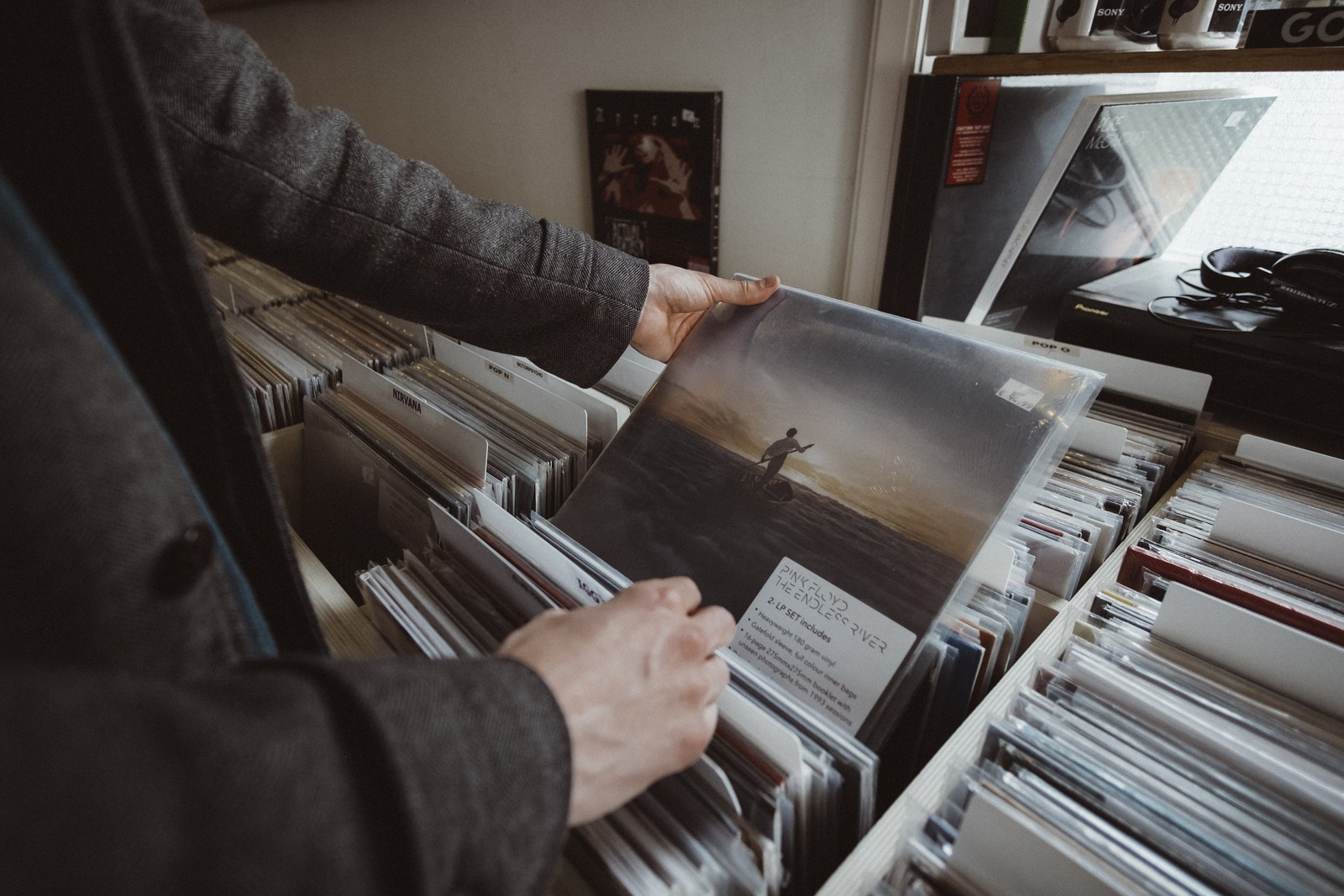
ARC 1968 / Open fileMitchel Lensink / CC0 1.0 / altPhotosHighlife and juju LPs stack the crates.
ARC 1972 / Open file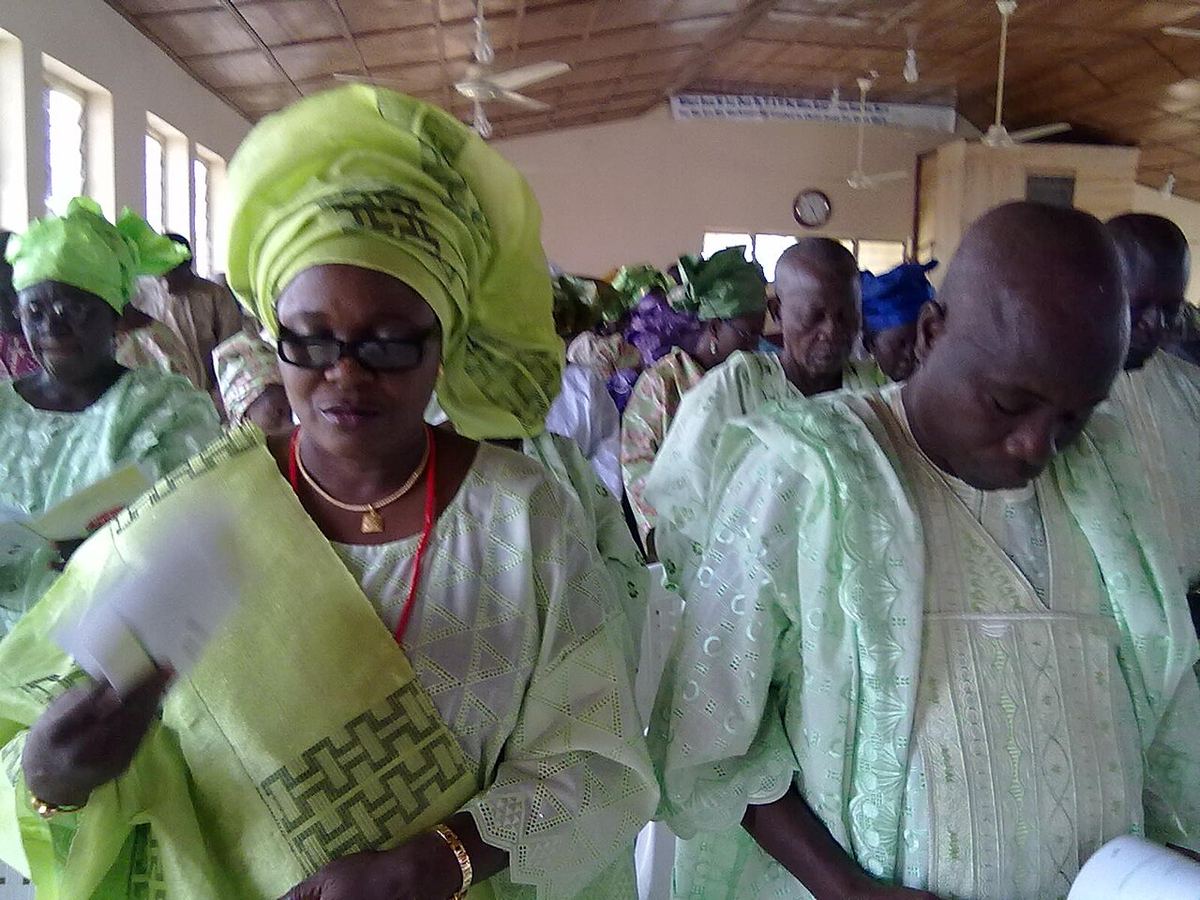 Jamie Tubers / CC BY-SA 4.0 / Wikimedia Commons
FESTAC and Shrine nights. Horns everywhere.
ARC 1977 / Open fileMediaMOF / CC BY-SA 4.0 / Wikimedia CommonsHome video boom. Nollywood paints fast.
ARC 1992 / Open file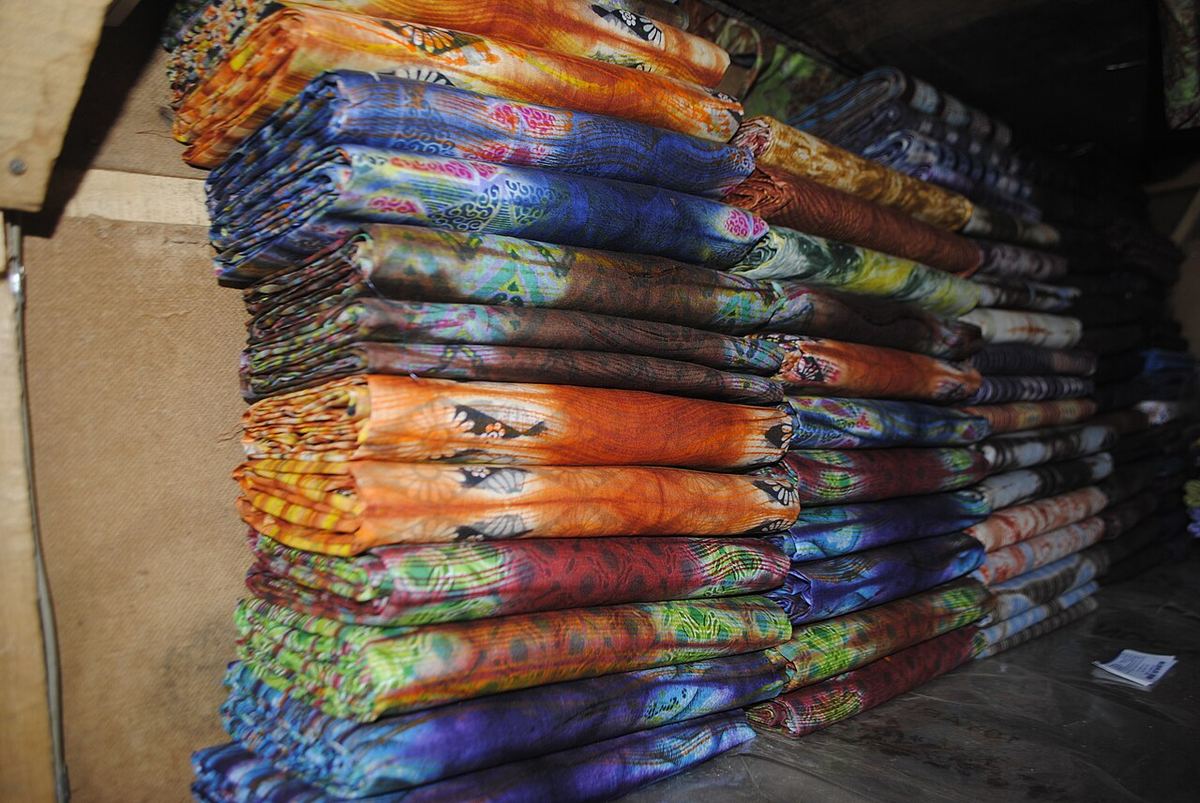 Olaniyan Olushola / CC BY-SA 4.0 / Wikimedia Commons
Alaba cassettes and Owambe codes peak.
ARC 1993 / Open file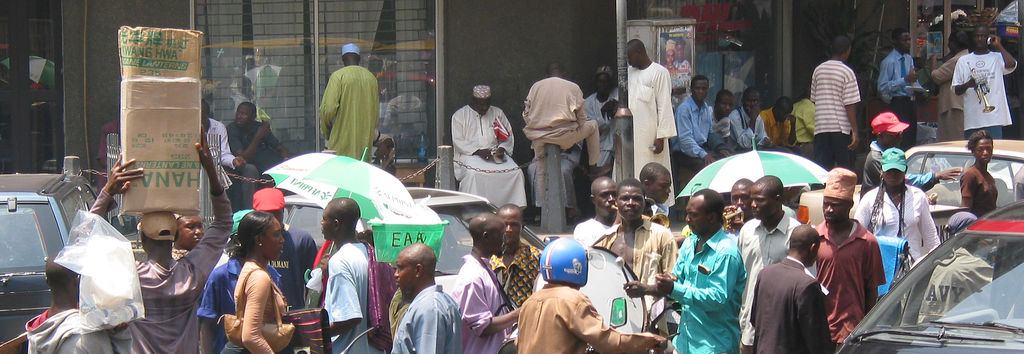 Zouzou Wizman / CC BY 2.0 / Wikimedia Commons
Nollywood boards paint the streets bright.
ARC 2005 / Open fileFelix Russell-Saw / CC0 1.0 / altPhotosAfrobeats charts in London and New York.
ARC 2012 / Open fileJakob Owens / CC0 1.0 / altPhotosThe Alte generation opens its own rooms.
ARC 2016 / Open file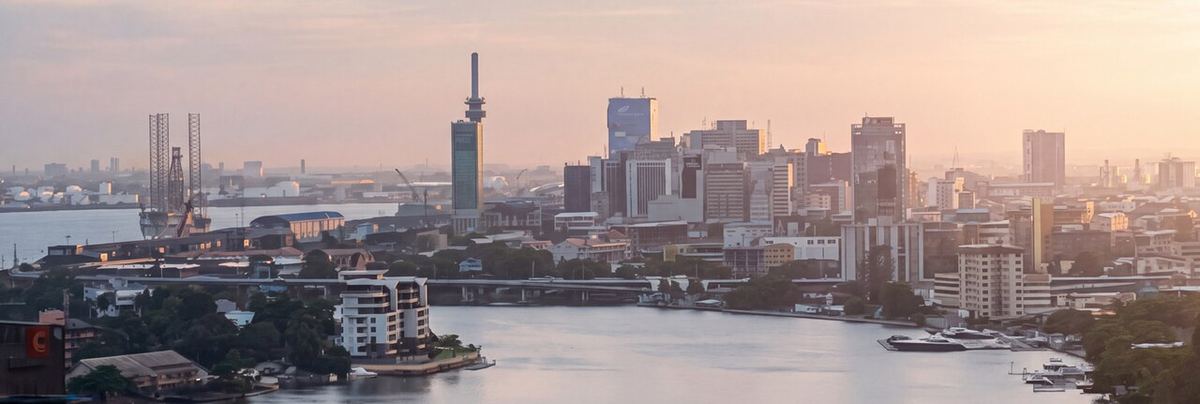 FrankvEck / CC BY-SA 4.0 / Wikimedia Commons
Afrobeats and Alte carry the sample on.
ARC 2024 / Open fileARCHIVE opens with 156 filed artifacts and room for yours. Leave a photo story, a track name your uncle played, a tailor address, a poster from your street. We credit every source and ask before we publish faces.
No ticket yet. Join the list and we write when the reading room opens in Lagos.